
In a proud moment for Bengal and the entire nation, the rare Visva-Bharati Mahabharata manuscript has earned global recognition from UNESCO. The centuries-old palm-leaf treasure joined the prestigious UNESCO Memory of the World Asia-Pacific Regional Register. For Santiniketan, this achievement adds another meaningful milestone to its living academic heritage.
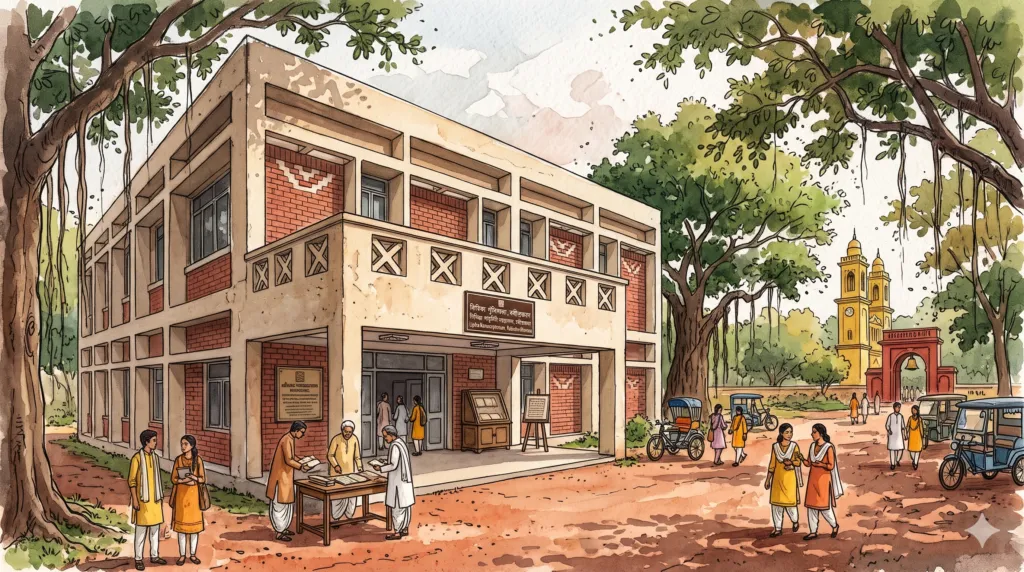
The prized text contains a complete handwritten copy of the Karna Parva. Scribes transcribed it more than three centuries ago on cured palm leaves. Today, archivists preserve it with devotion inside Lipika Puthishala, the university’s manuscript division.

Key Highlights of the Recognized Text
| Feature | Details |
|---|---|
| Artifact | Palm-leaf manuscript of the Mahabharata (Karna Parva) |
| Estimated Age | Over 300 years old (Circa 307 years) |
| Archive Location | Lipika Puthishala, Visva-Bharati University, Santiniketan |
| Global Honor | UNESCO Memory of the World – Asia-Pacific Regional Register |
| Companion Inscriptions | Kalhana’s Rajatarangini and Kautilya’s Arthashastra |
Preservation of the Visva-Bharati Mahabharata Manuscript
The Visva-Bharati Mahabharata manuscript stands out for its extraordinary craftsmanship. Ancient scribes in Bengal prepared these palm leaves through boiling, drying, and polishing. They inscribed every Sanskrit verse using natural herbal ink to resist pests.
Consequently, the folios remain clear and legible after three hundred years. For decades, dedicated scholars at Lipika Puthishala have safeguarded this delicate epic copy. They use traditional neem treatments and climate-managed storage to prevent decay.
Why the Visva-Bharati Mahabharata Manuscript Won UNESCO Recognition
UNESCO established its documentary heritage initiative to protect endangered books, scrolls, and archives worldwide. By inscribing the Visva-Bharati Mahabharata manuscript, the committee recognized its immense historical value.
In addition, the manuscript now shares international recognition with other celebrated Indian classics on the register. These include Kalhana’s Rajatarangini and Kautilya’s Arthashastra. Dr. Anup Kumar Santra confirmed that this honor will encourage younger scholars to study ancient Indian scripts and regional manuscriptology.
Tagore’s Vision for Ancient Manuscripts in Santiniketan
Preserving classical Indian literature was an integral part of Rabindranath Tagore’s educational vision. When Tagore established Visva-Bharati, he invited eminent linguists and indologists from around the world to study original manuscripts.
Early texts were initially studied in the shaded verandas of the Old Library in Santiniketan. Later, the university built modern archives to protect rare works. The global acclaim for this palm-leaf epic directly fulfills Tagore’s ideal of connecting ancient Indian wisdom with global learning.
Visitor Tips for Exploring Santiniketan’s Heritage
The original palm-leaf folios stay securely archived inside climate vaults to prevent environmental damage. However, visitors to Santiniketan can still explore this living legacy across campus:
- Explore the Core Ashram: Join the official Santiniketan Heritage Walk to see historic academic landmarks like Singha Sadana and Gour Prangana.
- Visit Museum Archives: Visit the Rabindra Bhavana archives at Uttarayana to view Tagore’s original writings and paintings.
- Plan Your Stay: If you plan a weekend stay, browse our Santiniketan accommodations guide and locate nearby cash counters in our bank and ATM directory before heading to the Saturday village markets.
Frequently asked questions
What is the Visva-Bharati Mahabharata manuscript?
Which UNESCO honor did this manuscript receive?
Where is this manuscript kept in Santiniketan?
Can regular visitors see the original palm-leaf folios?
Stay and travel deals near Bolpur Santiniketan
This page contains affiliate links. If you book through them we may earn a small commission at no extra cost to you.tags Lipika Puthishala Santiniketan Heritage Visva Bharati News Visva-Bharati