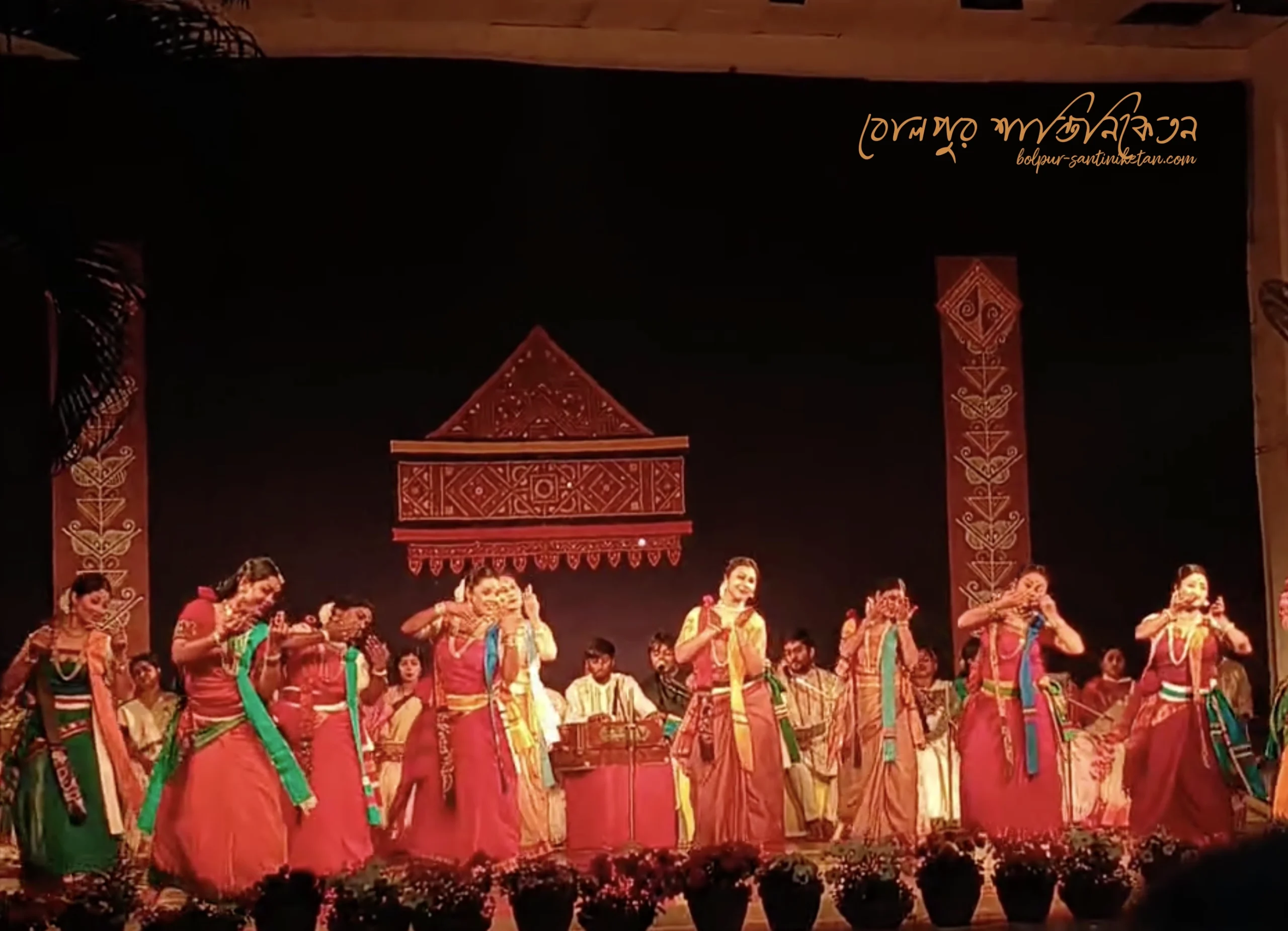
Basanta Utsav 2026: Experience the Soul of Spring in Bolpur Santiniketan

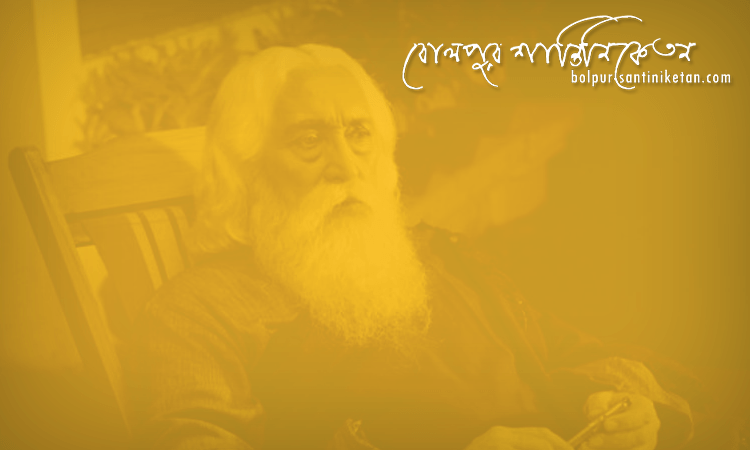
Basanta Utsav, the world-renowned spring festival of Santiniketan, is a poetic celebration of nature, music, and colors. Founded by Nobel Laureate Rabindranath Tagore, this festival transforms the red soil of Birbhum into a vibrant canvas of yellow (Basanti) hues and melodic Rabindra Sangeet.
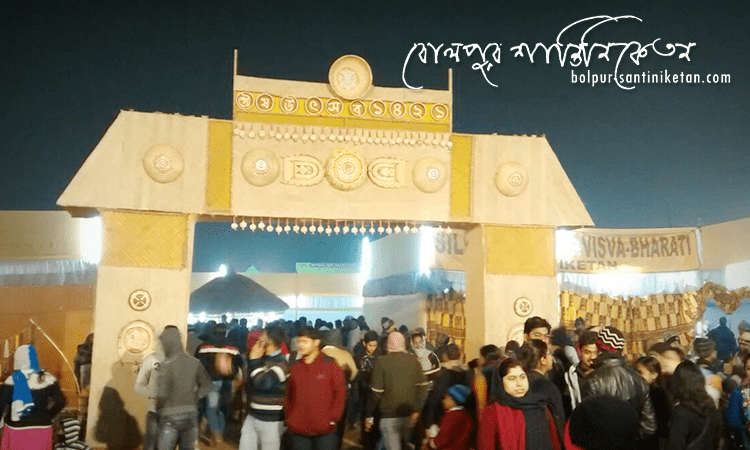
Experience the enchantment of Basanta Utsav Bolpur Santiniketan, a beloved spring festival rooted in the cultural heritage of West Bengal. Inspired by Rabindranath Tagore, this artistic rendition of Holi was once a grand public celebration at Visva-Bharati University. Though it’s now an internal event, the spirit of Basanta Utsav Bolpur Santiniketan thrives in colorful festivities across the region. Explore its history, past traditions, and how to join the celebration today with this guide!
History of Basanta Utsav
Basanta Utsav Bolpur Santiniketan began as Tagore’s vision to welcome spring with a blend of music, dance, and colors, distinct from traditional Holi. Launched at Visva-Bharati University in Santiniketan, it transformed Dol Purnima (the full moon day of the Bengali month of Phalgun, typically in March) into a cultural spectacle. Tagore infused the festival with Bengali folk elements and his own compositions, making it a symbol of renewal and creativity that has drawn massive crowds to Bolpur Santiniketan for decades.
How Visva-Bharati Celebrated Basanta Utsav Earlier
In its heyday, Visva-Bharati University hosted Basanta Utsav Bolpur Santiniketan as a vibrant public event on its campus. The celebration unfolded with:
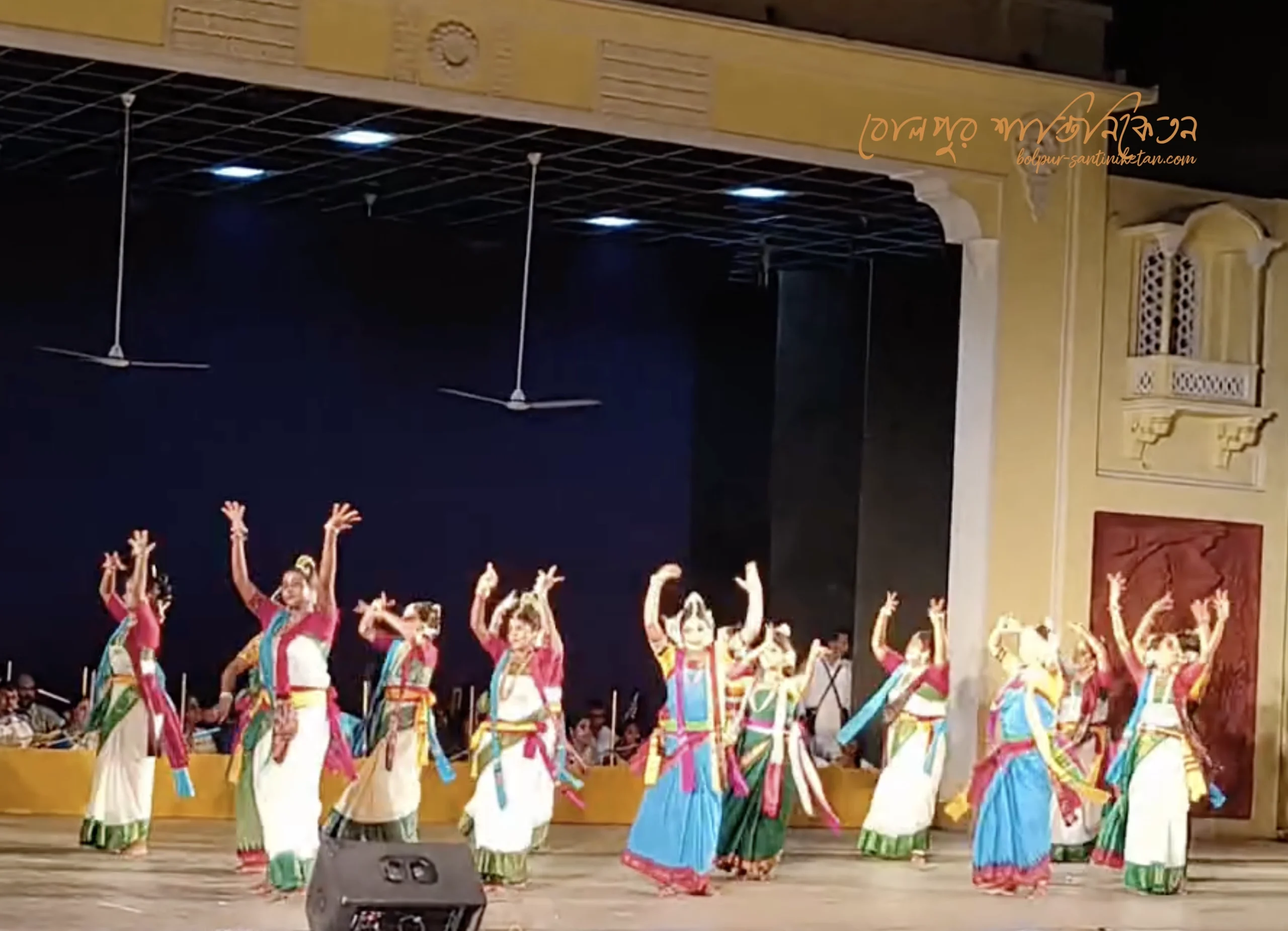
- Open-Air Performances: Students, dressed in colorful attire—yellow, red, and green saris or kurtas—performed under the chhatim trees at Chhatimtala or the Amrakunja grove.
- Tagore’s Songs: Iconic Rabindra Sangeet like “Ore Grihabasi, Khol Dwar Khol” (Open the doors, oh householder), “Aji Dakhin-Duar Khola” (Today the southern door is open), and “Rangiye Diye Jao” (Color me as you leave) filled the air, celebrating spring’s arrival.
- Dance and Drama: Groups enacted Tagore’s dance-dramas like “Basant” or “Chitrangada”, blending poetry with rhythmic movements.
- Color Play: Participants showered abir (colored powder) on each other, creating a joyous chaos across the campus, from the Uttarayan complex to Kala Bhavana.
- Community Gathering: Locals, tourists, and alumni joined students in this inclusive festivity, turning Santiniketan into a sea of colors and song.
This public extravaganza showcased Bolpur Santiniketan’s artistic soul, reflecting Tagore’s ethos of harmony with nature and humanity.
Changes in Basanta Utsav at Visva-Bharati
In recent years, Visva-Bharati University has shifted Basanta Utsav Bolpur Santiniketan to an internal celebration. The massive public crowds—once a hallmark—grew unmanageable, causing logistical challenges for the university committee. Unable to accommodate and control the huge gatherings, they restricted the event to students, employees, ex-students, and ashramites (residents).
Important Note for 2026: To preserve the sanctity of the UNESCO World Heritage site and maintain the “Gharoa” (domestic) atmosphere, Visva-Bharati observed the internal cultural program (Basanta Bandana) on February 23, 2026. This shift allows the university to celebrate Tagore’s vision peacefully before the massive tourist influx of the Dol Purnima weekend.
Public Celebrations & Environmental Restrictions 2026
As the university celebration is now a private affair, tourists and the general public have traditionally flocked to the Sonajhuri area and the Khoai forest to celebrate in their own way.
However, for Basanta Utsav 2026, there is a significant update:
- Sonajhuri Restrictions: Due to mounting environmental concerns and the need to protect the fragile ecosystem of the Khoai region, large-scale public celebrations will not take place in the Sonajhuri area this year.
- Local Club Initiatives: To ensure that visitors and locals still experience the magic of the festival, several local clubs in Bolpur have taken the initiative to organize celebrations. These programs are modeled after the traditional Visva-Bharati style, featuring Rabindra Sangeet, traditional dance, and “Abir” play, offering tourists the authentic “Santiniketan feel” in a community setting.
Basanta Utsav 2026 Date and Time
While Dol Jatra (Holi) is celebrated across India on the full moon day of Phalgun, the Santiniketan Basanta Utsav schedule often follows specific university traditions.
- Dol Purnima (Main Holi Day): Tuesday, March 3, 2026
- University Internal Celebration (Basanta Bandana): February 23, 2026 (Completed)
- Secondary Cultural Observance: Friday, March 6, 2026 (Tentative – traditionally observed a few days after Dol)
- Morning Procession (Vaitalik): Usually begins at 6:00 AM
- Cultural Programs: 7:30 AM onwards at the Ashram grounds
Dol Utsav vs. Basanta Utsav in Santiniketan
In Bolpur, the festivities are two-fold:
- Dol Utsav: The traditional religious celebration involving the swinging of Radha-Krishna idols, celebrated on March 3, 2026.
- Basanta Utsav: The cultural “Rabindrik” celebration. While the university campus events now follow a “Gharoa” (Internal) style, the spirit of spring permeates the entire town of Bolpur through local community events.
Travel Tips for Bolpur Santiniketan 2026
- Accommodation: Hotels and homestays in Bolpur get booked months in advance. It is highly recommended to book your stay by late 2025.
- How to Reach: Bolpur (BHP) is well-connected by train from Howrah and Sealdah (Kolkata). E-rickshaws (Totos) are the primary mode of transport within the town.
- Respect the Heritage: Since Santiniketan is a UNESCO World Heritage site, visitors are requested to avoid loud music, plastics, and chemical colors.
Other festivals at Santiniketan